Living folio · Skills
Priest — Class Skill List
Class Identity Priest is the class of the holy biological authority: the adventurer who governs healing, recovery, restoration, remedies, and the preservation of life through the Saint Guild’s sanctioned systems of divine channeling and holy practice. Priest is not just a support mage. In this setting,...
Overview
Class Identity
Priest is the class of the holy biological authority: the adventurer who governs healing, recovery, restoration, remedies, and the preservation of life through the Saint Guild’s sanctioned systems of divine channeling and holy practice.
Priest is not just a support mage. In this setting, Priest is the class that holds authority over: - healing - remedies - restorative consumables - bodily recovery - holy items - cleansing and purification - the biological and spiritual preservation of life
This class should feel like: - healer - divine support - biological specialist - life-preserver - restorative authority - Saint Guild representative in the field
A Priest is the person who decides whether the wounded live long enough to leave the dungeon at all.
Party Role
A Priest usually fills these roles: - primary healer - recovery manager - status cleanser - stabilizer of dying allies - holy support caster - provider of restorative consumables and holy items
A good Priest helps the party by: - restoring damage no one else can truly reverse - managing the difference between survivable injury and death - cleansing harmful conditions - preserving bodies and party function over long descents - using Grimoire channeling and Saint-sanctioned remedies to keep the expedition alive - preparing restorative holy items and potions that no other class has the right or means to make
Distinct Identity
Priest is not Mage. - Mage shapes mana directly into external effects - Priest channels holy structure through the Grimoire into life-preserving function
Priest is not Alchemist. - Alchemist governs chemistry, compounds, mana-tech, and non-living infusion - Priest governs healing, remedies, restorative potions, holy items, and biological recovery
Priest is not Ritualist. - Ritualist alters living bodies through body-circuit enhancement - Priest restores and preserves living bodies through holy authority
Priest is not just a buff class. Priest is the class that makes recovery, healing, and sustained survival possible inside a world where those powers are politically and spiritually controlled.
Mechanical Identity
Priest skills should emphasize: - healing - emergency stabilization - triage - cleansing - biological and holy diagnosis - buffing through sanctioned holy channels - restoration of function - recovery management - holy item production - restorative potion and remedy authority - party sustain over time
Priest should not own: - direct external destruction as a primary identity - technical chemistry or mana-tech invention - body-enhancement combat identity - item-circuit repair identity - frontline soldier identity - stealth utility identity
Priest may defend themselves in emergencies, but their real class value is: - keeping others alive - restoring what has been damaged - cleansing what should not be there - extending survival and expedition endurance
Equipment Relationship
Natural weapon families
Priest is not primarily weapon-defined, but naturally leans toward: - short defensive sidearms - maces or symbolic blunt sidearms if lore supports them - staff-like defensive implements if setting supports them - light defensive carry weapons
Natural support equipment
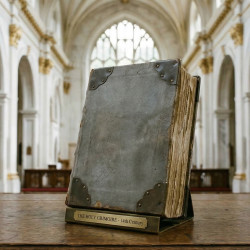
- Holy Grimoire - holy item kit - restorative preparation tools - remedy preparation tools - bandages and support wraps at practical level - sanctified containers - cleansing implements - prayer markers or holy seals if lore supports them - diagnostic support tools linked to Saint Guild practice
Not core Priest equipment
Priest does not naturally own mastery over: - heavy armor - martial specialist weapon families - alchemical field kit as a class identity - engineering and repair tools - body-circuit tools - ranged specialist combat systems
Skill List
Holy Core
- Channel - Grimoire Attunement - Holy Efficiency - Triage Read
Healing / Recovery
- Wound Closure - Deep Restoration - Emergency Stabilization - Recovery Management
Cleansing / Support
- Status Cleansing - Blessed Reinforcement - Purity Ward
Holy Items / Remedies
- Holy Item Craft - Restorative Preparation - Consecrated Remedy
Skill Entries
Channel
Category: Holy Core
Class access: Priest
Short identity line: Open the body and Grimoire to holy function.
What competency this skill represents:
The act of directing mana through the Holy Grimoire so its sacred patterning can function through the Priest as a living conduit.
Why this belongs to this class in the lore:
This is the foundation of the class. Without channeling, a Priest is only carrying a sacred object, not using it.
Typical prerequisites: - bound Holy Grimoire - Saint Guild-sanctioned initiation
Compatible weapon / tool / item families if relevant: - Holy Grimoire - sanctified support tools - holy containers
What Rank D means:
Can channel basic holy function reliably under manageable conditions.
What Rank C means:
Channels more quickly and with less waste or interruption.
What Rank B means:
Can maintain stable holy flow under real battlefield pressure.
What Rank A means:
Channels with exceptional speed, steadiness, and authority.
Narrative use:
Defines Priest as a true holy practitioner rather than a generic support caster.
Tabletop use:
Supports activating all major Priest effects, reducing setup friction, and baseline holy functionality.
Limits and anti-abuse notes:
Requires Grimoire access and does not function as freeform magic.
Overlap check with other classes:
Mage shapes; Priest channels.
Grimoire Attunement
Category: Holy Core
Class access: Priest
Short identity line: Make the book and the body work as one system.
What competency this skill represents:
The deepening synchronization between Priest and Holy Grimoire, improving responsiveness, consistency, and access to the Grimoire’s stored sacred function.
Why this belongs to this class in the lore:
The Grimoire is not generic gear. The Priest’s relationship to it must matter mechanically and narratively.
Typical prerequisites: - Channel Rank D - bound Grimoire
Compatible weapon / tool / item families if relevant: - Holy Grimoire - sanctified supporting tools
What Rank D means:
Can use the Grimoire without obvious mismatch or delay in normal operation.
What Rank C means:
The Grimoire responds more quickly and with fewer incomplete outputs.
What Rank B means:
Priest and Grimoire function with strong mutual familiarity even under pressure.
What Rank A means:
The Grimoire feels like a seamless extension of the Priest’s holy practice.
Narrative use:
Makes each Priest’s relationship with their Grimoire feel personal and meaningful.
Tabletop use:
Supports faster use of holy effects, improved reliability, and better interaction with advanced Grimoire functions.
Limits and anti-abuse notes:
Still constrained by mana, verses known, and Grimoire condition.
Overlap check with other classes:
No other class should own this kind of bonded implement skill.
Holy Efficiency
Category: Holy Core
Class access: Priest
Short identity line: Get more life-preserving value from the same holy output.
What competency this skill represents:
The reduction of waste and inefficiency in holy channeling so healing, cleansing, and support effects consume less mana for the result achieved.
Why this belongs to this class in the lore:
Priest is a sustain class. Efficiency is one of the main reasons experienced Priests can keep parties alive deep into long runs.
Typical prerequisites: - Channel Rank C
Compatible weapon / tool / item families if relevant: - Holy Grimoire - holy item workshop tools - sanctified vessels
What Rank D means:
Can avoid obvious waste in routine holy use.
What Rank C means:
Gets noticeably more function from the same mana expenditure.
What Rank B means:
Can sustain healing and support far longer than less-developed Priests.
What Rank A means:
Uses holy output with exceptional economy and discipline.
Narrative use:
Useful for long-attrition dungeon realism.
Tabletop use:
Supports lower resource cost, longer sustain, and stronger expedition endurance.
Limits and anti-abuse notes:
Does not create infinite healing.
Overlap check with other classes:
Mage efficiency is spell architecture; Priest efficiency is holy-channel economy.
Triage Read
Category: Holy Core
Class access: Priest
Short identity line: Know who dies first if you do nothing.
What competency this skill represents:
The rapid battlefield reading of injury, blood loss, organ risk, contamination, and collapse priority in living allies.
Why this belongs to this class in the lore:
If Priest owns biology and healing, it must own advanced triage.
Typical prerequisites: - Channel Rank C
Compatible weapon / tool / item families if relevant: - Holy Grimoire - diagnostic holy tools if present - support wraps and treatment tools
What Rank D means:
Can identify the most urgent patient correctly in clear cases.
What Rank C means:
Reads battlefield injury hierarchy more quickly and accurately.
What Rank B means:
Can identify hidden deterioration or deceptive injury states before others understand the danger.
What Rank A means:
Makes near-instant life-priority judgments with exceptional accuracy.
Narrative use:
Vital for serious healer scenes.
Tabletop use:
Supports target priority for healing, emergency response ordering, and stronger support decisions.
Limits and anti-abuse notes:
Not perfect omniscience.
Overlap check with other classes:
No other class should rival Priest in biological triage authority.
Wound Closure
Category: Healing / Recovery
Class access: Priest
Short identity line: Reverse immediate physical damage before the body loses the fight.
What competency this skill represents:
The direct holy restoration of damaged tissue, closed bleeding, and repaired bodily integrity through Grimoire-mediated healing.
Why this belongs to this class in the lore:
This is the central healing skill and one of the main reasons the class exists.
Typical prerequisites: - Channel Rank D - Triage Read Rank D helps but is not strictly required at entry
Compatible weapon / tool / item families if relevant: - Holy Grimoire - healing verses - holy focus tools if present
What Rank D means:
Can reliably heal ordinary wounds and stop life-threatening damage in manageable conditions.
What Rank C means:
Heals faster, cleaner, and under more dangerous circumstances.
What Rank B means:
Can reverse serious battlefield injury with exceptional reliability.
What Rank A means:
Functions as a truly elite field healer capable of handling grave combat trauma.
Narrative use:
One of the strongest iconic class actions.
Tabletop use:
Supports healing wound equivalents, restoring combat function, and emergency injury reversal.
Limits and anti-abuse notes:
Not resurrection and not consequence erasure.
Overlap check with other classes:
Healing belongs here, not in Alchemist.
Deep Restoration
Category: Healing / Recovery
Class access: Priest
Short identity line: Restore more than surface survival.
What competency this skill represents:
The healing of more severe bodily damage, deeper tissue harm, systemic collapse, or function loss beyond ordinary wound closure.
Why this belongs to this class in the lore:
Priest should not only close cuts. It should own deeper restoration as the expedition’s true biological recovery authority.
Typical prerequisites: - Wound Closure Rank C - Triage Read Rank C
Compatible weapon / tool / item families if relevant: - Holy Grimoire - advanced restoration verses - sanctified recovery tools
What Rank C means:
Can restore significant bodily function after serious injury.
What Rank B means:
Repairs deeper trauma with strong reliability.
What Rank A means:
Can reverse severe bodily damage at a level no non-Priest class can match.
Narrative use:
Important for making Priest feel above battlefield first aid.
Tabletop use:
Supports major restoration, reversing severe injury states, and restoring lost function beyond simple healing.
Limits and anti-abuse notes:
Not resurrection and not infinite post-fight reset.
Overlap check with other classes:
This secures healing monopoly with Priest.
Emergency Stabilization
Category: Healing / Recovery
Class access: Priest
Short identity line: Keep the dying alive long enough for the next decision to matter.
What competency this skill represents:
The immediate holy arrest of fatal decline when full healing is impossible in the moment.
Why this belongs to this class in the lore:
This is one of Priest’s defining field powers.
Typical prerequisites: - Wound Closure Rank C - Triage Read Rank C
Compatible weapon / tool / item families if relevant: - Holy Grimoire - emergency verses - sanctified support implements
What Rank D means:
Can halt straightforward death spirals in manageable conditions.
What Rank C means:
Can stabilize faster and under more chaotic combat circumstances.
What Rank B means:
Can repeatedly preserve allies who would otherwise die before extraction or later healing.
What Rank A means:
Functions as an exceptional last-threshold life-preserver.
Narrative use:
Extremely strong for battlefield drama.
Tabletop use:
Supports preventing death, buying time, and preserving party survival during crisis.
Limits and anti-abuse notes:
Does not restore full function by itself.
Overlap check with other classes:
No other class should equal Priest here.
Recovery Management
Category: Healing / Recovery
Class access: Priest
Short identity line: Guide the body back to usable life across time, not just moments.
What competency this skill represents:
The planning and management of healing, rest, restorative intake, remedy timing, and holy follow-up across the full recovery cycle of injured party members.
Why this belongs to this class in the lore:
Priest should own not only combat healing but sustained recovery authority.
Typical prerequisites: - Deep Restoration Rank C or Wound Closure Rank B - Triage Read Rank C
Compatible weapon / tool / item families if relevant: - Holy Grimoire - restorative items - remedies - recovery records if setting supports them
What Rank D means:
Can manage ordinary post-injury recovery competently.
What Rank C means:
Gets better long-term outcomes through smarter management of healing and rest.
What Rank B means:
Keeps a party functional across repeated attrition far better than ordinary support practice.
What Rank A means:
Functions as an elite expedition recovery authority.
Narrative use:
Great for serious campaign-scale healing realism.
Tabletop use:
Supports between-encounter recovery, lowering lasting attrition, and sustained expedition survivability.
Limits and anti-abuse notes:
Still requires time, supplies, and actual rest windows.
Overlap check with other classes:
Craftsman improves physical rest conditions. Priest governs biological recovery.
Status Cleansing
Category: Cleansing / Support
Class access: Priest
Short identity line: Remove what should not be living inside the body.
What competency this skill represents:
The holy cleansing of poison, contamination, corruption, infection-like magical states, and other harmful intrusions into the body.
Why this belongs to this class in the lore:
If Priest owns biology and healing, it should also own cleansing in a major way.
Typical prerequisites: - Channel Rank C - Triage Read Rank D
Compatible weapon / tool / item families if relevant: - Holy Grimoire - cleansing verses - sanctified vessels and seals
What Rank D means:
Can remove common status conditions reliably.
What Rank C means:
Cleanses more dangerous or layered conditions.
What Rank B means:
Can handle severe contamination and difficult status interactions with strong reliability.
What Rank A means:
Functions as a true holy purification authority in the field.
Narrative use:
Keeps Priest essential against corruption and status-heavy dangers.
Tabletop use:
Supports removing conditions, cleansing poison or corruption, and restoring party function.
Limits and anti-abuse notes:
Not every condition should be instantly trivial.
Overlap check with other classes:
True cleansing belongs to Priest.
Blessed Reinforcement
Category: Cleansing / Support
Class access: Priest
Short identity line: Strengthen the living through sanctioned holy support.
What competency this skill represents:
The application of holy reinforcement to living allies in ways that improve resilience, stability, recovery tolerance, or sanctioned enhancement of bodily function.
Why this belongs to this class in the lore:
Priest should own living-target support through holy authority.
Typical prerequisites: - Channel Rank C - Holy Efficiency Rank D
Compatible weapon / tool / item families if relevant: - Holy Grimoire - blessing verses - sanctified support tools
What Rank D means:
Can grant modest but useful holy reinforcement to allies.
What Rank C means:
Supports allies more reliably and for longer.
What Rank B means:
Can shape party durability and functionality through strong holy reinforcement.
What Rank A means:
Uses reinforcement at a level that significantly changes party survivability.
Narrative use:
Useful for making Priest more than a reactionary healer.
Tabletop use:
Supports buffs, resistance support, endurance reinforcement, and party prep.
Limits and anti-abuse notes:
Should stay clearly within holy support identity.
Overlap check with other classes:
Ritualist enhances through circuits. Priest reinforces through holy sanction.
Purity Ward
Category: Cleansing / Support
Class access: Priest
Short identity line: Create a protected zone against corruption and spiritual intrusion.
What competency this skill represents:
The establishment of holy protective influence that reduces or resists contamination, corruption, or hostile spiritual intrusion in a space or on protected persons.
Why this belongs to this class in the lore:
It extends Priest beyond raw healing into holy protection.
Typical prerequisites: - Status Cleansing Rank C - Blessed Reinforcement Rank D
Compatible weapon / tool / item families if relevant: - Holy Grimoire - seals - wards - sanctified supports
What Rank D means:
Can create limited holy protection in manageable situations.
What Rank C means:
Protects better against common corruption or contamination risks.
What Rank B means:
Can meaningfully shape safety against serious status or corruption pressure.
What Rank A means:
Establishes highly reliable holy protective influence in dangerous spaces.
Narrative use:
Strong for camp scenes, corrupted zones, and sacred authority moments.
Tabletop use:
Supports warding, status prevention, protected zones, and anti-corruption support.
Limits and anti-abuse notes:
Not all-purpose invulnerability.
Overlap check with other classes:
Mage manipulates mana space. Priest sanctifies against impurity and corruption.
Holy Item Craft
Category: Holy Items / Remedies
Class access: Priest
Short identity line: Bind holy function into things others can carry.
What competency this skill represents:
The creation of holy items that hold sanctioned restorative, cleansing, or protective effects for later use.
Why this belongs to this class in the lore:
Your setting explicitly places holy items and healing consumables with the Saint Guild.
Typical prerequisites: - Channel Rank B - Holy Efficiency Rank C
Compatible weapon / tool / item families if relevant: - sanctified vessels - holy inks - holy item tools - Saint Guild crafting apparatus
What Rank C means:
Can create simple holy items with useful field value.
What Rank B means:
Produces reliable holy support items suitable for serious expeditions.
What Rank A means:
Functions as a high-grade holy item crafter.
Narrative use:
Crucial for the world’s economy and Priest authority.
Tabletop use:
Supports holy item crafting, consumable support economy, and pre-expedition provisioning.
Limits and anti-abuse notes:
Should remain regulated, costly, and institutionally controlled.
Overlap check with other classes:
Alchemist creates technical infused items. Priest creates holy items.
Restorative Preparation
Category: Holy Items / Remedies
Class access: Priest
Short identity line: Prepare the sanctioned restorative consumables only the Saint Guild is permitted to provide.
What competency this skill represents:
The preparation of restorative potions, holy remedies, and biologically restorative consumables through Saint Guild doctrine and holy process.
Why this belongs to this class in the lore:
This locks your stated monopoly directly into the class.
Typical prerequisites: - Holy Item Craft Rank C - Recovery Management Rank C
Compatible weapon / tool / item families if relevant: - sanctified vessels - remedy preparation kit - holy reagents - Saint Guild preparation tools
What Rank C means:
Can prepare simple sanctioned restorative consumables safely and correctly.
What Rank B means:
Produces highly reliable restorative potions and recovery remedies with serious expedition value.
What Rank A means:
Functions as an elite Saint Guild restorative authority.
Narrative use:
Makes the Saint Guild matter economically and politically.
Tabletop use:
Supports healing consumable crafting, restorative stock preparation, and between-expedition resource production.
Limits and anti-abuse notes:
Must remain Saint Guild-controlled and non-improvised in the field.
Overlap check with other classes:
Healing potions and remedies belong here, not in Alchemist.
Consecrated Remedy
Category: Holy Items / Remedies
Class access: Priest
Short identity line: Prepare holy answers to biological and spiritual distress.
What competency this skill represents:
The production of sanctified remedies directed at disease, corruption, body decline, spiritual contamination, and recovery complications through Saint Guild holy practice.
Why this belongs to this class in the lore:
This secures Priest as the biological authority class in your science split.
Typical prerequisites: - Restorative Preparation Rank C - Status Cleansing Rank C
Compatible weapon / tool / item families if relevant: - holy remedy kit - sanctified vessels - holy preparation apparatus
What Rank C means:
Can prepare useful consecrated remedies for common dangerous conditions.
What Rank B means:
Produces remedies trusted for serious expedition or civic use.
What Rank A means:
Functions as a high-grade biological and holy remedy authority.
Narrative use:
Makes Priest feel like a full biological authority, not just a battlefield caster.
Tabletop use:
Supports condition remedies, advanced consumable support, and preparation against corruption, disease, or biological decline.
Limits and anti-abuse notes:
Still regulated, costly, and not a universal cure-all.
Overlap check with other classes:
Priest owns remedies. Alchemist owns technical compounds.
Connected records