Finding sheet · Mana
Mana
Here's a comprehensive description of Mana as it functions in your world: Mana What it is Mana is not magic in the abstract sense. It is not a metaphor, a spiritual concept, or an invisible force that requires faith to acknowledge. Mana is a physical substance —energy in a form that can be measured, stored,...
Overview
Here's a comprehensive description of Mana as it functions in your world:
Mana
What it is
Mana is not magic in the abstract sense. It is not a metaphor, a spiritual concept, or an invisible force that requires faith to acknowledge. Mana is a physical substance—energy in a form that can be measured, stored, refined, channeled, and depleted. It exists in the world the way heat, light, and pressure exist: as a real phenomenon with observable properties, predictable behavior, and industrial applications.
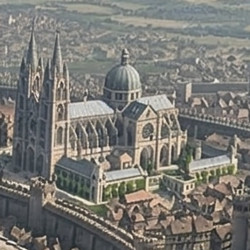
In Versa and the surrounding territories, mana is the foundation of modern life. It heats homes, lights streets, powers workshops, fuels enchanted tools, and enables the healing magic that keeps the city's adventurer economy functioning. Without mana, Versa would be a fraction of its current size and influence. With it, the city has become one of the great powers of the known world.
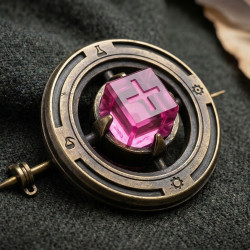
The primary source of mana is the Inverted Tower. Monsters within the dungeon carry mana stones in their bodies—natural batteries of concentrated mana that can be extracted, refined, and put to use. These stones are what the entire extraction economy is built around. They are why people descend into the Tower despite the danger. They are why the Guardians Guild exists to regulate access. They are why the Mana Guild controls refinement. They are the lifeblood of the city, and the Tower produces them in quantities no other known source can match.
Properties and behavior
Mana has several consistent properties that define how it can be used and what limitations it carries:
Mana is energy, not matter
It does not have weight in the conventional sense, though objects saturated with mana feel subtly heavier than their physical composition would suggest. This is not mass. It is pressure—the sensation of something dense and contained pushing outward from within the material.
Mana can be stored
It accumulates naturally in certain materials and can be artificially concentrated through processing. Rough mana stones pulled from monsters are natural storage vessels. Refined Mana Stones are manufactured ones. Mana can also saturate physical objects over time—wood, stone, metal, cloth, paper, even living tissue—if exposed to high concentrations for long enough. This saturation is what allows enchanted items, Holy Grimoires, and Ritualist ink circuits to function.
Mana dissipates without containment
Free mana released into the air does not remain stable indefinitely. It spreads, thins, and eventually fades back into the ambient background level present in all environments. The speed of dissipation depends on concentration and environmental conditions. A small mana release in open air disperses in minutes. A large discharge in an enclosed space can linger for hours and create hazardous conditions.
Mana flows along paths of least resistance
Like water or electricity, mana moves more easily through some materials than others. Copper-threaded alloys, treated glass, certain organic compounds, and purpose-designed mana conduits all channel mana efficiently. Other materials—lead, iron without treatment, dense ceramics—resist mana flow and are used as insulators. This property is what makes mana circuits, conduits, and infrastructure possible.
Mana responds to intent and structure
This is the property that separates mana from purely mechanical energy. Mana does not simply flow—it can be shaped by structured patterns (circuits, runes, verses) and directed by focused intent (casting, channeling, activation). A Mage shapes mana through personal will and learned patterns. A Priest channels mana through the pre-structured framework of the Grimoire. A Ritualist directs mana through ink circuits drawn into their skin. An enchanted item routes mana through etched pathways. All of these are different methods of imposing structure on energy that, without structure, behaves as undirected force.
Mana carries pressure
In high concentrations, mana exerts a physical and mental effect on living beings exposed to it. This is called mana pressure or Tower pressure when referring specifically to the dungeon's environment. Low-level exposure feels like humidity—slightly oppressive, noticeable but manageable. High-level exposure produces fatigue, disorientation, nausea, and in extreme cases, mana sickness: a condition where the body's natural mana circulation becomes disrupted by external saturation. Resonance (RSN) determines how well a person tolerates mana pressure. High RSN individuals function normally in environments that incapacitate low RSN ones.
Mana is finite in any given context
A mana stone holds a fixed amount of energy and depletes with use. A person's internal mana reserves refill over time but are not infinite in the moment. A device powered by mana will run until its stone is exhausted. The Tower produces mana stones constantly, but even that production is not unlimited—heavy extraction triggers the Tower's defensive responses because the dungeon is reacting to resource depletion.
Sources of mana
The Inverted Tower (primary source)
The Tower is the single largest accessible source of mana in the known world. Monsters that spawn within it carry mana stones as part of their biological structure—natural organs that store and regulate the energy needed for their existence. When a monster is killed, the stone can be extracted before the Tower's recycling process reclaims the body. These rough mana stones vary wildly in size, purity, and charge, but all of them are valuable.
The Tower also saturates its environment with ambient mana. The deeper you descend, the thicker the ambient concentration becomes. This ambient mana cannot be easily harvested in bulk, but it can be absorbed by people, objects, and materials exposed to it over time. It is also the source of the Tower's mana pressure, which affects everyone who enters.
Natural accumulation (minor source)
Certain rare materials—ores, crystals, wood from specific trees, water from particular springs—can accumulate mana naturally over long periods. These sources are far weaker than Tower stones and far slower to develop, but they exist. Pre-Tower civilizations relied on these natural sources for what little mana work they could manage. Post-Tower, they are considered supplementary at best and are mostly used in niche crafts or by people with no access to Tower extraction.
Living beings (internal reserves)
All living creatures carry a small amount of mana naturally as part of their biological function. Humans, elves, dwarves, and other intelligent races circulate mana internally to sustain life, though most are not consciously aware of it. Certain classes—Mages, Priests, Ritualists—learn to access and manipulate their internal mana deliberately. This internal mana refills over time through rest, food, and exposure to ambient mana, but the refill rate is slow enough that sustained heavy use leads to depletion and exhaustion.
Mana Generators (artificial production)
One of the great breakthroughs of the Mana Revolution was the development of devices that can convert Refined Mana Stones into sustained mana output over time, effectively turning stored energy into a controlled power supply. Mana Generators do not create mana—they regulate the release of energy from stones fed into them—but the result is functionally equivalent to a continuous power source. These generators are what allow Versa's street lamps, lifts, workshop forges, and other infrastructure to operate without constant stone replacement.
How mana is used
Personal casting (Mages, Priests, Ritualists)
Individuals with the training and natural aptitude can channel mana through their bodies to produce effects. Mages shape mana externally into spells. Priests channel mana through their Grimoire's structured patterns. Ritualists direct mana through ink circuits drawn on their skin. All three are limited by their internal mana reserves and their Resonance—how cleanly they can interface with mana under pressure.
Enchanted items (tools, weapons, infrastructure)
Mana circuits etched into objects allow those objects to produce repeatable effects when powered by Refined Mana Stones. A sword with a fire circuit will ignite when activated. A lamp with a heat-and-light circuit will glow. A lift mechanism will raise and lower its platform. These items do not require the user to have any personal mana capability—they simply need a stone and the knowledge of how to slot it into the device.
Alchemy (potions, bombs, coatings)
Alchemists do not cast mana directly. They bind it into physical substances—liquids, powders, gels—that produce effects when used. A healing potion channels mana into biological repair when consumed. A flash bomb releases stored mana as light and sound when the vessel breaks. Alchemical work is slower than direct casting but produces effects that non-casters can use reliably.
Healing (Priest Grimoires only)
Holy healing is a unique application of mana that cannot be replicated outside the Priest class. The Grimoire channels the Shepherd's blessing—mana structured in patterns that close wounds, remove poisons, stabilize dying bodies, and apply buffs to living targets. No other method of mana use can heal in this way. Alchemists can produce regenerative potions, but they work through the body's natural processes, not through direct mana intervention. Priests bypass those processes entirely.
Industrial power (Generators, conduits, infrastructure)
The Mana Revolution transformed mana from a scarce resource used primarily by adventurers and specialists into the energy backbone of urban civilization. Mana Generators feed power into conduit networks that run through buildings, districts, and entire city blocks. Street lamps, heating systems, water pumps, mechanical lifts, and workshop equipment all draw from these networks. The result is a city that functions at a scale and complexity impossible without industrialized mana access.
Mana and the body
Internal mana circulation
Every living being circulates a small amount of mana naturally as part of their life processes. This circulation is unconscious and automatic for most people. Those who train in mana-using classes learn to access this internal reserve consciously, direct it deliberately, and refill it through rest and external absorption.
The amount of mana a person can hold internally is determined by their MNA (Mana) attribute. Higher MNA means larger reserves and greater output potential. A low-MNA Mage runs dry quickly. A high-MNA Priest can sustain healing over long engagements.
Resonance and mana tolerance
RSN (Resonance) measures how cleanly a person's body and soul interface with mana. High Resonance means mana flows through you smoothly, circuits activate reliably, and external mana pressure affects you less. Low Resonance means instability—spells misfire, circuits distort, and ambient mana environments cause discomfort and disorientation faster.
Resonance is not the same as mana capacity. A person can have high MNA and low RSN, giving them large reserves but poor control and vulnerability to Tower pressure. Conversely, high RSN and low MNA means excellent control but limited endurance.
Mana sickness
Prolonged exposure to high mana concentrations without adequate Resonance produces mana sickness: a condition where the body's natural mana circulation is disrupted by external saturation. Symptoms include nausea, disorientation, fever, muscle weakness, and in severe cases, internal mana burns where the body's channels become overloaded and begin to break down. Mana sickness is a common occupational hazard for Tower adventurers, and experienced parties carry alchemical treatments specifically for it.
Mana Weaver passive
Certain races—elves and Dragonkin naturally, others through rare talent—possess the Mana Weaver passive, which gives them an instinctive ability to perceive and shape mana. This is the foundation of Mage work. Without Mana Weaver, learning to cast spells is extraordinarily difficult and often impossible at practical levels. Humans, dwarves, and Beastborn lack Mana Weaver as a racial baseline, which closes off or severely limits certain class paths for them.
Mana in the Tower
The Tower's relationship with mana is more complex than simple production and extraction.
Ambient mana density increases with depth
The deeper you descend, the thicker the ambient mana becomes. Upper floors feel only mildly pressured. Mid floors are noticeably dense. Deep floors produce mana environments thick enough to cause disorientation, exhaustion, and hallucinations in people with poor Resonance. The Tower's ecology adapts to this—monsters at depth are more mana-dense, more dangerous, and carry higher-rank stones as a result.
Mana pressure as environmental hazard
Tower pressure is not merely uncomfortable. It is a genuine tactical consideration. Parties that descend too deep without adequate RSN across their members will lose effectiveness—casting becomes unreliable, reaction times slow, decision-making deteriorates. The Tower does not need to kill you directly if it can exhaust you into mistakes.
The Tower reclaims mana
When a monster dies, the Tower's recycling process pulls the body back into the walls and floors over the course of roughly an hour. If the mana stone is not extracted in that time, it is reclaimed along with the corpse. This creates urgency around kills and prevents long-term stockpiling of corpses for later harvest.
Stone Pressure and Tower response
The Tower reacts to heavy extraction. When too many stones are removed too quickly—when mining pressure exceeds the Tower's tolerance threshold—it responds by reconfiguring routes, escalating monster threats, and tightening access to deeper floors. The Tower is not a passive mine. It is a living system that defends its resources when stressed.
Mana and society
Mana has reshaped civilization in the territories around the Tower, and nowhere is that more visible than in Versa.
Economic foundation
Mana stones are currency, fuel, and strategic resource simultaneously. The entire adventurer economy exists to extract them. The Mana Guild's refinement monopoly makes it one of the four great powers of the Grand Council. The price of stones fluctuates with supply, demand, and Guild policy, and those fluctuations ripple through every sector of the city's economy.
Class inequality
Access to mana determines capability in ways that physical training alone cannot overcome. A well-equipped adventurer with enchanted gear and a reliable stone supply outperforms an unequipped one dramatically. A wealthy family can afford senior Priest healing. A poor family gets junior Priests or nothing. Mana has become a visible marker of social position in a city where power is increasingly defined by access to processed Tower resources.
Guild control
The institutions that control mana production, refinement, and distribution hold enormous power. The Mana Guild refines stones and controls industrial supply. The Saint Guild controls holy mana through the Grimoire system. The Guardians Guild regulates who can extract stones in the first place. The Merchant Guild moves the finished products. These four powers balance each other, but the foundation they all rest on is the same: mana from the Tower, processed and distributed through monopolies no one can bypass.
Quick phrasing you can reuse in prose
- "Mana wasn't magic. It was fuel. Expensive, dangerous, and absolutely necessary." - "The stone felt heavier than it should have. Not weight. Pressure. The mana inside pushing outward, wanting out." - "High mana zones didn't just tire you. They made you stupid. Slow. The kind of slow that got you killed if you didn't notice it happening." - "The difference between a good adventurer and a dead one was often just Resonance—how well your body handled what the Tower was doing to it." - "Every lamp on the street was fed by a stone someone pulled out of a monster. The city ran on blood converted to light." - "She could feel the ambient mana thickening as they descended. It felt like breathing through cloth. Another floor and it would feel like drowning." - "Mana didn't care if you understood it. It worked or it didn't, and the Tower had been producing it long before anyone figured out what to do with it."
Integration complete! Mana now exists as a fully realized physical energy system with clear properties, sources, applications, and social consequences that fit seamlessly into your industrialized-magic setting. Let me know if you'd like me to expand on any specific aspect (e.g., mana sickness mechanics, Mana Weaver details, or how different races experience mana differently)!
Connected records