Finding sheet · Mana
Mana Infrastructure
Mana Infrastructure is the collective term for the network of systems that take refined stone mana and distribute it through a building, a district, or an entire city in a form that can be used by anyone, regardless of whether they have any personal mana capability whatsoever. It is, in the most direct...
Overview
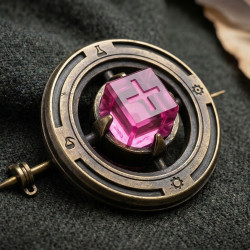
Mana Infrastructure is the collective term for the network of systems that take refined stone mana and distribute it through a building, a district, or an entire city in a form that can be used by anyone, regardless of whether they have any personal mana capability whatsoever. It is, in the most direct sense, the reason that Versa functions at the scale it does. Without it, mana would remain what it was before the Mana Revolution: a scarce, specialist resource available only to those with the training to channel it personally or the wealth to afford individual refined stones for every single application. With it, mana becomes something closer to the air itself — present everywhere, available on demand, and noticed only when it stops working.
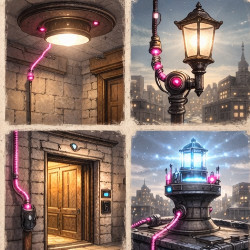
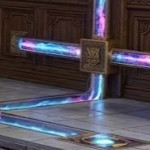
The infrastructure has three components that function as a single system. The Mana Generator produces a steady, regulated output of mana energy from refined stones fed into it. The Mana Conduits carry that output through walls, floors, and ceilings to wherever it is needed. The Mana Infrastructure Items — lamps, heating elements, mechanical lifts, workshop tools, and dozens of other applications — draw from the conduit network at their point of connection and convert that energy into useful work. Remove any one of the three and the system collapses. The Generator without Conduits produces energy with nowhere to go. The Conduits without a Generator are inert ceramic tubes. The Infrastructure Items without either are expensive decorations.
What makes the system remarkable is not any single piece of it. It is the fact that the three pieces were designed to work together, standardised across their connections and tolerances so that a lamp built in one workshop slots into a conduit housing built in another without modification. That standardisation was not accidental. It was one of the Mana Guild's earliest and most consequential institutional decisions, made during the first decades of the Mana Revolution when the alternative — every builder using their own proprietary fittings — was already producing the kind of incompatibility problems that slow industries down for generations. The Guild enforced a common standard. Everything built to that standard since then has been interoperable. This is a larger part of why the Mana Guild holds the power it does than most people outside the institution fully appreciate.
The infrastructure is not flawless. Conduits crack under structural stress or mana surge. Generators require regular stone replacement and periodic maintenance that only qualified Mana Guild technicians are licensed to perform. Infrastructure Items degrade over time, their internal circuits drifting out of calibration in ways that reduce efficiency before they fail entirely. A building whose infrastructure has not been properly maintained will show it gradually: lamps that flicker, heating elements that run unevenly, mechanical systems that hesitate before responding. The signs accumulate slowly enough that occupants often stop noticing them, which is precisely when the problems become expensive.
In Versa's wealthier districts, infrastructure maintenance is handled by contracted Mana Guild service teams on regular schedules. In the outer wards, maintenance happens when something breaks badly enough that ignoring it is no longer an option. The quality of a district's mana infrastructure is one of the most reliable indicators of where it sits in the city's economic hierarchy, and the residents of those districts are aware of it in the specific way that people are aware of things they cannot easily change.
Connected records